
Caring for a medically fragile child requires extraordinary commitment, resilience, and sustained vigilance. Mothers in this role often serve as primary caregivers, care coordinators, advocates, and medical decision makers. While deeply rooted in love, these responsibilities place caregivers at high risk of burnout, an outcome that affects not only the mother’s well-being but also the stability of the child’s care.
In Loving Arms Pediatric Day Health Center as a Critical Resource
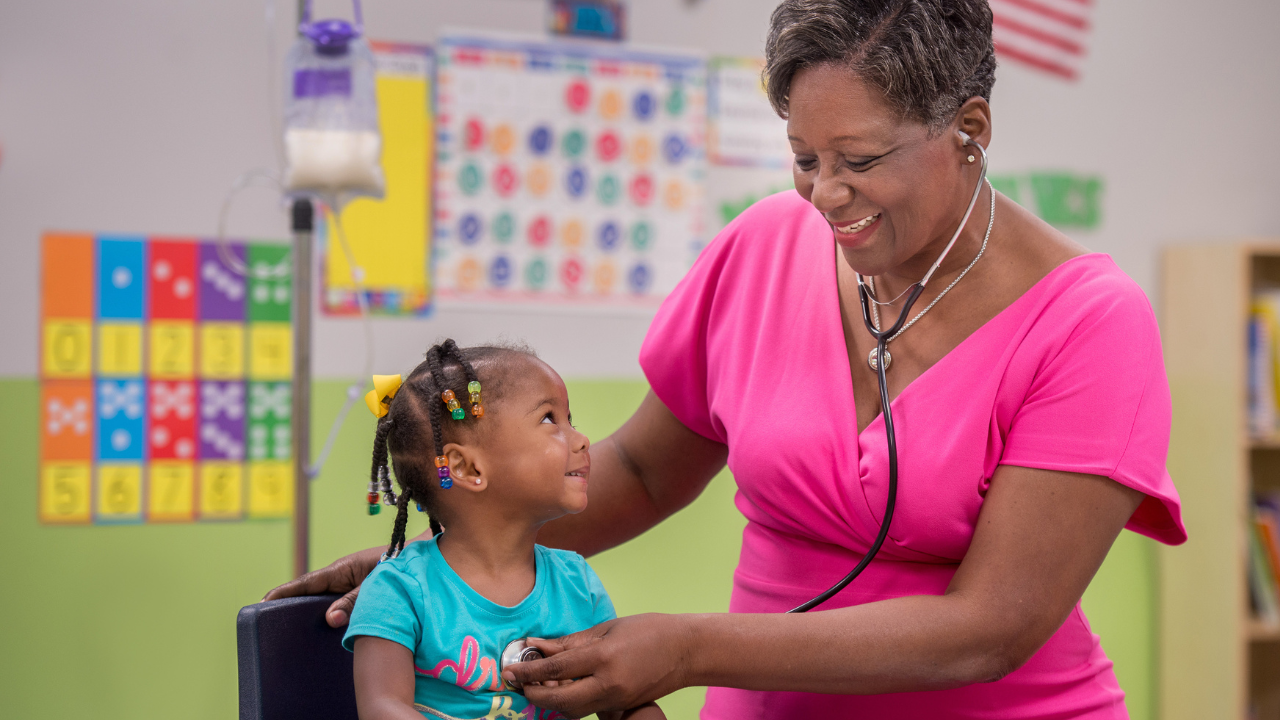
In Loving Arms Pediatric Day Health Center serves as a vital support system for families of medically fragile children by providing skilled pediatric nursing care in a safe, nurturing daytime setting. Children receive continuous clinical monitoring, medication management, and therapeutic services while engaging in age-appropriate educational and social activities. This comprehensive model allows mothers to work, attend school, manage household responsibilities, or rest without compromising their child’s medical safety.
By partnering in care, In Loving Arms reduces the constant physical and emotional vigilance required of caregivers at home. Predictable daytime coverage provides meaningful respite, while access to trained pediatric professionals offers reassurance and continuity of care. Equally important, the center serves as an extension of the family’s care team, supporting the long-term sustainability of caregivers and family stability.
Why does caregiver burnout occur
Mothers of medically fragile children often manage complex medical regimens, frequent appointments, insurance coordination, and educational advocacy alongside daily hands-on care. Sleep disruption, financial strain, social isolation, and persistent concern for a child’s health create chronic stress. When these demands exceed available support systems, caregiver burnout becomes more likely.

Common signs of burnout
Burnout may present as chronic fatigue, emotional exhaustion, irritability, difficulty concentrating, withdrawal from relationships, or loss of interest in previously meaningful activities. Physical symptoms such as headaches, gastrointestinal issues, or frequent illness are also common. Without intervention, burnout can progress to anxiety, depression, or declining physical health.
Protective strategies and supports
Reducing caregiver burnout requires more than individual self-care. Structured supports such as pediatric day health services, professional counseling, peer support groups, and respite care are critical. Equally important is a commitment to remaining nonjudgmental when supporting mothers of medically fragile children. When judgment is passed, it can unintentionally revictimize individuals whose full stories and daily realities are not visible to others. Compassion and understanding create safer spaces for caregivers to seek and accept support. Establishing realistic expectations, setting boundaries, and sharing caregiving responsibilities help protect the long-term health of caregivers. Pediatric day health centers play a preventive role by addressing both the child’s medical needs and the caregiver’s need for support.
When to seek additional help
If symptoms of burnout persist, worsen, or interfere with daily functioning, professional support should be sought. Caregiver health is foundational to the well-being of medically fragile children and should be addressed proactively.
Reference
Pinquart, M., and Sörensen, S. (2003). Differences between caregivers and noncaregivers in psychological and physical health: A meta-analysis. Psychology and Aging, 18(2), 250 to 267.