Network of Women NOW was founded by Deidra Mwalimu, whose lived experience exposed deep gaps in reproductive healthcare and advocacy for women and girls, particularly in marginalized communities. As a teenager, Mwalimu was medically and legally sterilized without informed consent, an experience that shaped her lifelong commitment to accountability, education, and care. Her book, My Soul’s Unrest: Three Generations of Failed Reproductive Healthcare of Women in Mississippi, documents both her personal story and the broader, systemic failures impacting women across generations.
Through years of community work locally and globally, Mwalimu witnessed the same patterns repeated: girls entering puberty without accurate information, women lacking access to basic reproductive health education, and families left without guidance. Network of Women NOW was created to confront those realities by empowering women and girls through culturally responsive education in self-worth, reproductive health, personal hygiene, and self-care, ensuring no girl is left uninformed, unsupported, or unprotected.
At its core, Network of Women NOW exists to ensure women and girls have access to the knowledge, resources, and support they need to live healthy, confident, and self-directed lives. While menstrual equity and reproductive health education are central to the organization’s work, its broader mission focuses on dignity, preparation, and long-term impact. “Empowerment, in our work, is not a slogan. It is what happens when a girl is prepared instead of confused, supported instead of dismissed, and taught that her body belongs to her,” Mwalimu says.
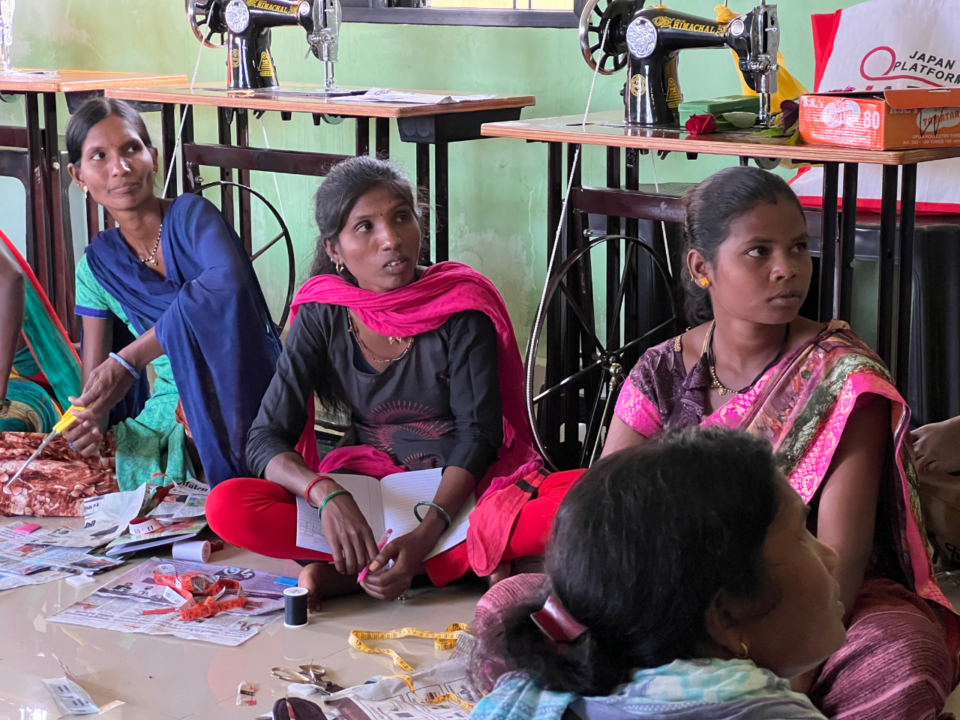
One of the organization’s efforts is the EmpowerED Hygiene Initiative, a curriculum developed by Mwalimu that teaches girls what to expect during puberty, how to care for their bodies, and how to advocate for themselves. The program is used in Louisiana schools and community settings and has also been adapted internationally. In India, Network of Women NOW partnered with local organizations to pair education with access, supporting women-led sewing cooperatives that produce reusable menstrual pads while creating economic opportunities.
Closer to home, the organization has donated hundreds of hygiene kits to students in East Baton Rouge Parish Schools—including personal hygiene kits for boys—and led hands-on classes that combine education with practical skills. These efforts help remove barriers that often keep students from fully participating in school and daily life.
For parents, Mwalimu emphasizes the importance of starting conversations early and choosing openness over silence. Through resources like her book Rituals of the First Cycle and the animated short film The Unforgetting, Network of Women NOW provides families with tools to guide girls through puberty with clarity and confidence.
Ultimately, the organization’s work is about more than menstruation, it’s about ensuring girls grow up informed, respected, and supported at every stage of life. “Reproductive health education is not optional, it is urgent,” says Mwalimu. “My call to parents and caregivers is simple: Start the conversation early, seek out accurate education, and partner with organizations like Network of Women NOW to ensure your daughters are informed, prepared, and supported long before they are ever forced to navigate these realities alone.” To learn more, visit networkofwomennow.org.